Elevate Your Paddling
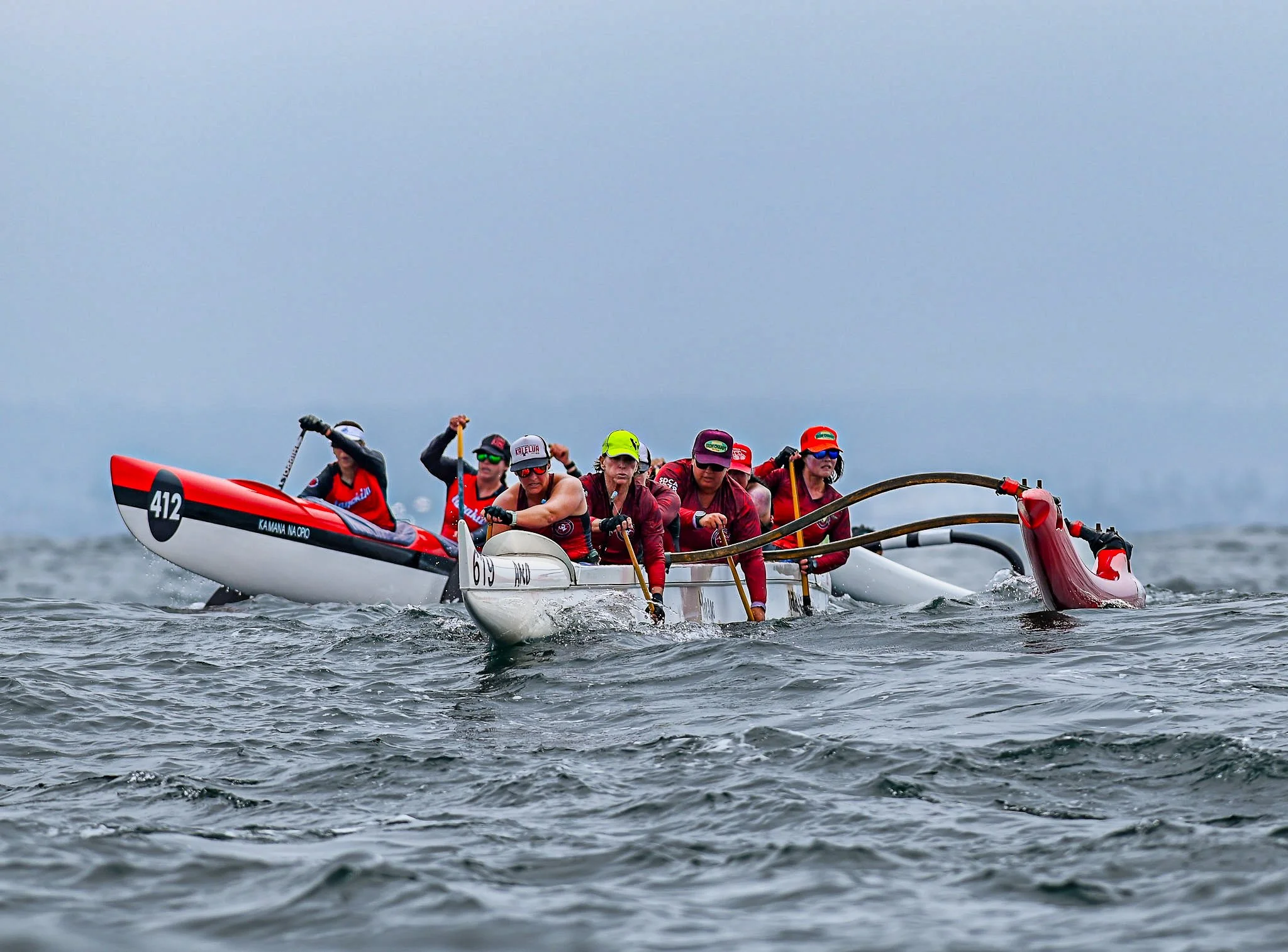
Improving your outrigger stroke efficiency is crucial for maximizing speed, minimizing energy expenditure, and enhancing overall performance on the water. Here are several strategies to consider for honing your technique and optimizing each stroke.
Understanding the Basics of the Stroke
Before diving into advanced techniques, it’s essential to master the basic components of the outrigger stroke. An effective stroke involves three key phases: the catch, the pull, and the recovery. Each of these phases requires precision and timing to improve efficiency.
1. Proper Body Position and Posture
Your body position plays a vital role in stroke efficiency. Maintaining a straight back and engaging your core muscles can facilitate better balance and control. Ensure your hips are stable and your legs are slightly bent to help distribute your weight evenly. The angle of your arms should allow your hands to enter the water at a comfortable height without forced movement.
2. The Catch Phase
The catch is arguably the most critical part of the stroke. To improve efficiency here, focus on a smooth and gradual entry of the paddle into the water. The paddle blade should be submerged fully before initiating the pull. A technique known as the “catch and release” can enhance this phase. This involves ‘catching’ the water with the paddle blade before applying pressure, allowing for a more effective pull.
3. The Pull Phase
During the pull phase, your goal is to maximize the power generated from your stroke. Use your core muscles rather than just your arms to power the stroke, as this will create a more fluid and effective motion. Engage in a method called “body rotation,” which involves rotating your torso along with your arms, allowing greater leverage and power. Keep the paddle close to the outrigger and recognize when to apply force and when to ease off, as maintaining continuous pressure will help maintain a steady pace without unnecessary fatigue.
4. The Recovery Phase
The recovery phase is as crucial as the catch and pull. A quick and efficient recovery can significantly reduce drag and set you up for a powerful next stroke. Lift your paddle out of the water cleanly and reposition it for the next catch with minimal movement. Use body rotation to aid in the recovery; this allows your arms to move swiftly and contributes to a smoother transition between strokes.
5. Consistent Drills and Practice
To embed these techniques, regular practice is essential. Engage in drills that focus specifically on each phase of the stroke. For example, practice “catch drills” by paddling with a focus on just the catch phase and then gradually incorporate the pull and recovery phases. Consistency in practice not only builds muscle memory but also helps identify areas of improvement.
6. Feedback and Adjustment
Finally, seeking feedback, whether from a coach or through video analysis, can provide insight into your technique. Observing yourself can highlight areas you may overlook and allow for targeted adjustments.
Conclusion
Improving your outrigger stroke efficiency is an ongoing process that requires dedication, technique refinement, and self-awareness. By focusing on body position, perfecting each stroke phase, incorporating targeted drills into your practice regime, and welcoming constructive feedback, you can significantly enhance your performance on the water. Remember, even small adjustments can lead to substantial gains in efficiency and speed, allowing you to enjoy the sport even more.